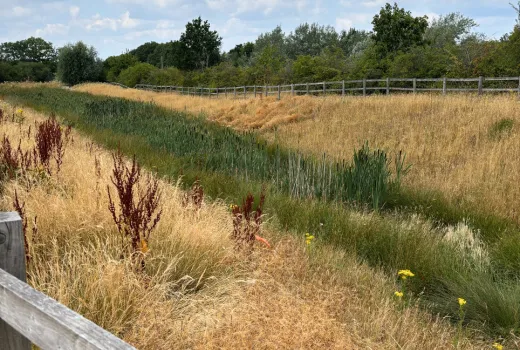
As UK summers continue to bring longer dry spells and more frequent periods of extreme heat, commercial landscapes are coming under increasing pressure. For developers, local authorities and contractors, preparing outdoor spaces for heatwaves is now an essential part of creating resilient, sustainable environments.
At Jack Moody Landscaping, we understand that successful landscaping is about far more than first impressions. Commercial planting schemes must continue to perform throughout changing seasonal conditions while remaining practical to maintain and visually impactful year-round.
Why Heatwave Preparation Matters
Extreme heat can have a significant impact on commercial landscapes. Prolonged dry conditions place stress on turf, trees and shrubs, particularly within newly completed developments where planting is still establishing. Hard landscaped areas can also contribute to rising surface temperatures, creating uncomfortable environments around offices, healthcare facilities, education settings and public spaces.
Without proper planning, landscapes can quickly deteriorate during periods of intense heat, leading to increased maintenance requirements, declining visual quality and costly replacement works.
As climate conditions continue to change, commercial landscaping schemes must now be designed with resilience in mind from the outset.
Choosing Heat-Resilient Planting
Plant selection plays a key role in preparing landscapes for warmer conditions. Choosing hardy, drought-tolerant species helps commercial schemes maintain structure, colour and overall performance during extended dry periods.
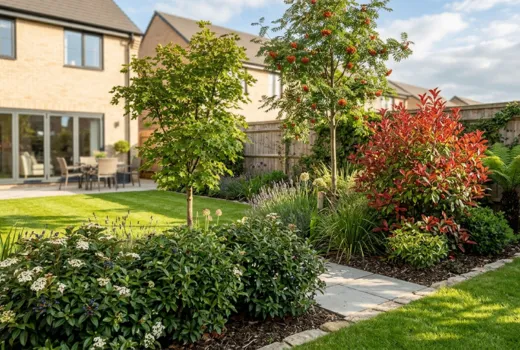
Trees such as Acer campestre (Field Maple) and Sorbus aucuparia (Rowan) are well suited to exposed commercial environments due to their adaptability and relatively low maintenance requirements. Shrubs including Photinia ‘Red Robin’, Viburnum tinus and Prunus lusitanica continue to provide reliable year-round structure while tolerating more demanding weather conditions.
Layered planting schemes can also help regulate temperatures naturally. Combining canopy trees, shrubs and groundcover planting supports moisture retention, reduces exposed soil and creates more comfortable outdoor environments across commercial sites.
Improving Soil Health and Water Retention
Healthy soil remains one of the most important factors in building resilient landscapes. Compacted or poor-quality ground dries out quickly during hot weather, placing additional stress on planting and reducing long-term performance.
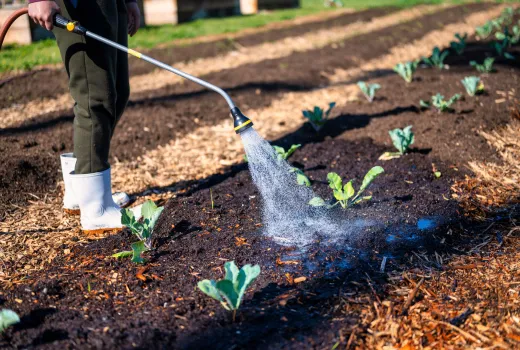
Incorporating organic matter, mulches and high-quality growing media helps improve moisture retention while reducing evaporation during periods of prolonged heat. Mulching around planting beds and tree bases also helps regulate soil temperature and suppress weed growth.
Early planning and appropriate material selection can make a significant difference to how commercial landscapes perform throughout increasingly challenging seasonal conditions.
The Role of Trees in Cooling Commercial Spaces
Trees remain one of the most valuable elements within heat-resilient landscaping. In addition to their visual impact, mature trees provide natural shade, improve air quality and help regulate surrounding temperatures.
Strategically positioned trees can help cool pedestrian routes, car parks and building frontages, improving comfort for staff, visitors and local communities during periods of extreme heat.
Selecting species suited to long-term commercial performance is essential, particularly within busy or exposed environments where planting must tolerate changing weather conditions alongside ongoing site activity.
Signs a Landscape is Struggling During Heatwaves
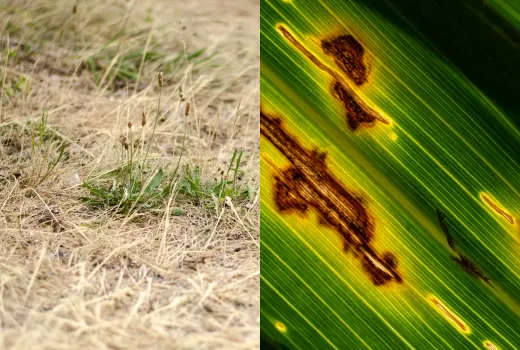
Commercial landscapes often show early signs of stress during prolonged hot weather. Identifying issues early can help prevent long-term damage and reduce replacement costs.
Common signs include:
- Browning or thinning turf in high-traffic areas
- Dry, cracked soil around planting beds
- Wilting or scorched foliage
- Newly planted trees failing to establish
- Increased irrigation demand across exposed areas
- Premature leaf drop or declining plant health
Regular monitoring and proactive maintenance become increasingly important during extended periods of dry weather.
Ongoing Maintenance is Essential
Preparing landscapes for heatwaves does not stop once installation is complete. Long-term landscape performance depends on regular maintenance, seasonal adjustments and proactive aftercare.
This includes:
- Monitoring moisture levels during dry periods
- Adjusting irrigation schedules where required
- Managing weeds competing for water and nutrients
- Inspecting trees and shrubs for signs of stress or disease
- Maintaining mulch coverage to support moisture retention
A planned maintenance strategy helps commercial landscapes remain healthy, functional and visually consistent throughout the summer months.
Preparing Commercial Landscapes for Changing Conditions
As periods of extreme heat become more common across the UK, resilience is becoming a key consideration in commercial landscaping and maintenance. From plant selection and irrigation planning to soil health and aftercare, preparing landscapes for summer heatwaves helps protect both long-term performance and commercial investment.
At Jack Moody Landscaping, we work with clients to deliver landscaping schemes designed for lasting performance in changing environmental conditions. By combining practical landscaping expertise with sustainable solutions, we help create outdoor spaces that continue to thrive throughout the seasons.