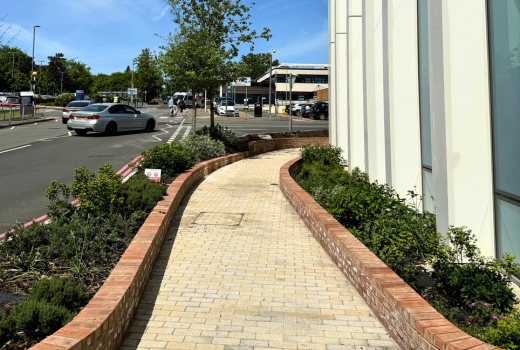
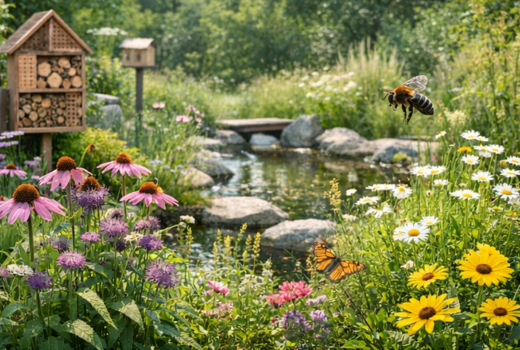
Step onto any well-designed garden today and you can feel the shift happening across our industry. Gardens are no longer just places to admire — they’re working landscapes. They cool our cities, shelter wildlife, manage water and quietly respond to a changing climate.
As we look ahead to 2026, garden design is entering a more thoughtful, purposeful era. According to leading UK voices including the RHS, the Horticultural Trades Association and environmental guidance from DEFRA, sustainability is no longer a “nice to have”. It’s the foundation upon which the next generation of gardens will be built.
For garden designers, landscape professionals and nursery buyers, these trends aren’t abstract ideas — they’re already influencing plant lists, specifications and sourcing decisions.
Here’s what’s shaping the gardens of 2026.
1. Climate-Resilient Planting Takes Centre Stage
British gardens are feeling the pressure of extremes — hotter, drier summers followed by intense rainfall and unpredictable winters. In response, climate-resilient planting is no longer optional.
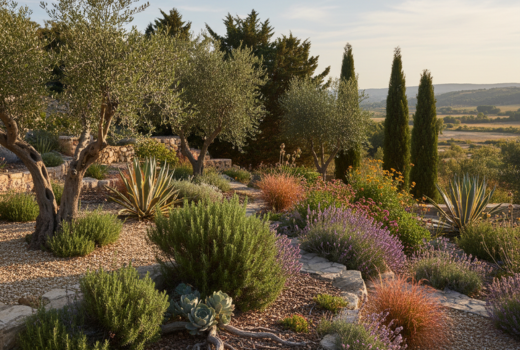
Designers are increasingly turning to robust, drought-tolerant and adaptable species that can thrive with less intervention. Mediterranean-inspired shrubs, tough evergreens and deep-rooted perennials are being specified not just for their looks, but for their performance.
This isn’t about compromising beauty — it’s about planting with confidence. Well-chosen plants reduce replacement rates, protect long-term budgets and create landscapes that mature gracefully rather than struggle.
At nursery level, demand is growing for:
-
Proven performers that tolerate drought and poor soils
-
Structural plants that hold form through extreme weather
-
Trees and shrubs selected for longevity, not quick impact
Resilience, in 2026, is the new luxury.
2. Biodiversity-Led Design Becomes the Gold Standard
If there’s one word defining future garden design, it’s biodiversity.
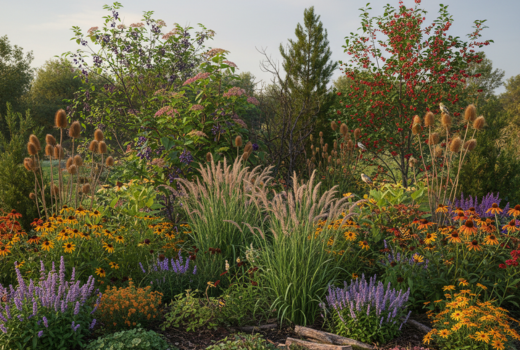
Driven by Biodiversity Net Gain targets and growing public awareness, designers are weaving ecological value into every layer of planting. Pollinator-friendly schemes, native and near-native species and extended flowering seasons are no longer confined to “wild” gardens, they’re appearing in high-end residential landscapes, commercial developments and public spaces alike.
Garden Media Group and RHS research shows a clear move towards:
-
Layered planting that supports insects, birds and soil life
-
Species with nectar, berries, seed heads and winter cover
-
Planting palettes that deliver interest and ecological function
3. Low-Impact Materials & Healthier Soils
The hard landscape is softening.
In 2026, material choices are increasingly influenced by environmental impact. Designers are favouring permeable surfaces, recycled aggregates and responsibly sourced materials that allow water to drain naturally and soils to breathe.
Healthy soil is finally being recognised as the backbone of successful planting. Better drainage, reduced compaction and improved soil biology all contribute to stronger root systems and lower long-term maintenance.
This shift supports planting schemes that:
-
Cope better with heavy rainfall
-
Reduce surface water run-off
-
Support long-term plant health
Gardens are being built from the ground up — literally.
4. Smarter Water Use, Not Thirsty Gardens
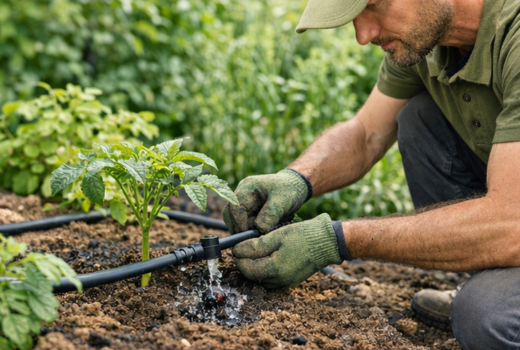
With water scarcity rising up the UK agenda, 2026 gardens are being designed to use less water, more intelligently.
Designers are combining water-wise planting with efficient irrigation strategies, rainwater harvesting, and thoughtful zoning. The result? Landscapes that remain lush and functional without unnecessary waste.
Plants that establish well, require minimal supplemental watering and thrive in free-draining soils are increasingly favoured — particularly in larger schemes where efficiency matters.
5. Low-Maintenance, High-Value Landscapes
Perhaps the most commercially significant trend of all: low maintenance doesn’t mean low impact.
Clients want gardens that look exceptional year-round without intensive input. Designers are responding with considered plant palettes, strong structure and fewer short-lived species that demand constant attention.
This approach delivers:
-
Reduced long-term maintenance costs
-
Better plant performance over time
-
Landscapes that age beautifully rather than decline
For nurseries, this means supplying plants that are reliable, well-grown and chosen with intent — plants that designers trust to perform long after planting day.
Looking Ahead: Designing Gardens That Work Harder
The gardens of 2026 will be resilient, biodiverse and deeply connected to their environment. They’ll tell a story — not just of style, but of responsibility.
As a nursery, we believe our role goes beyond supplying plants. We’re here to support designers with knowledge, quality stock and practical solutions that respond to the realities of modern landscape design.
By choosing the right plants at the earliest stage, we can create outdoor spaces that deliver long-lasting value — for clients, communities and the natural world.
The future of horticulture is purposeful. And it’s already taking root.